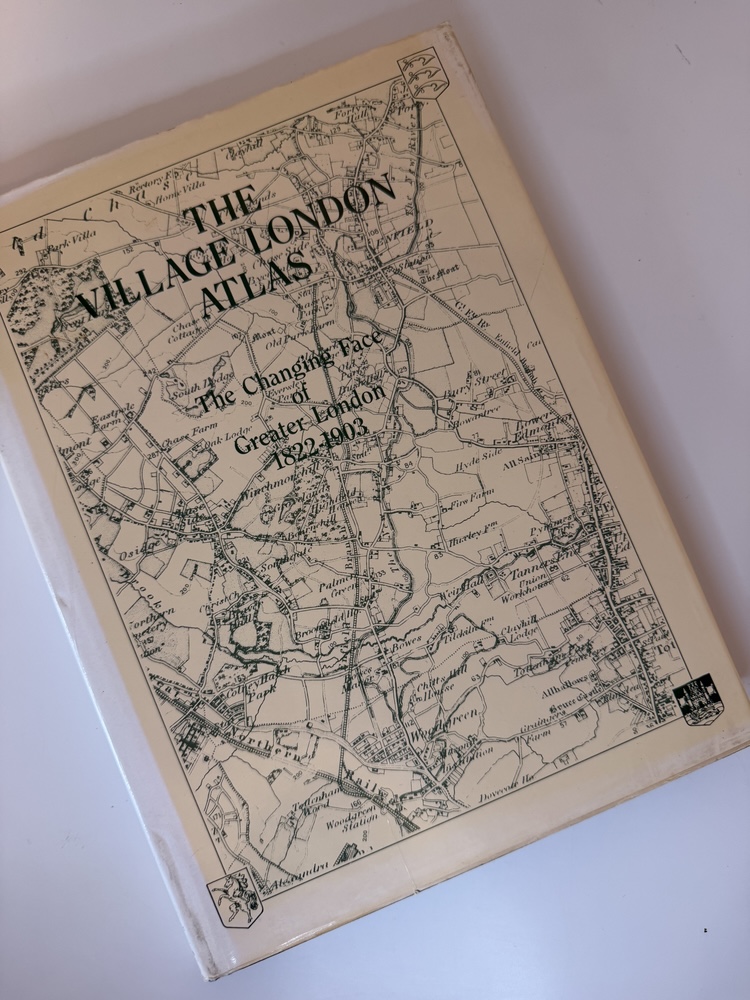
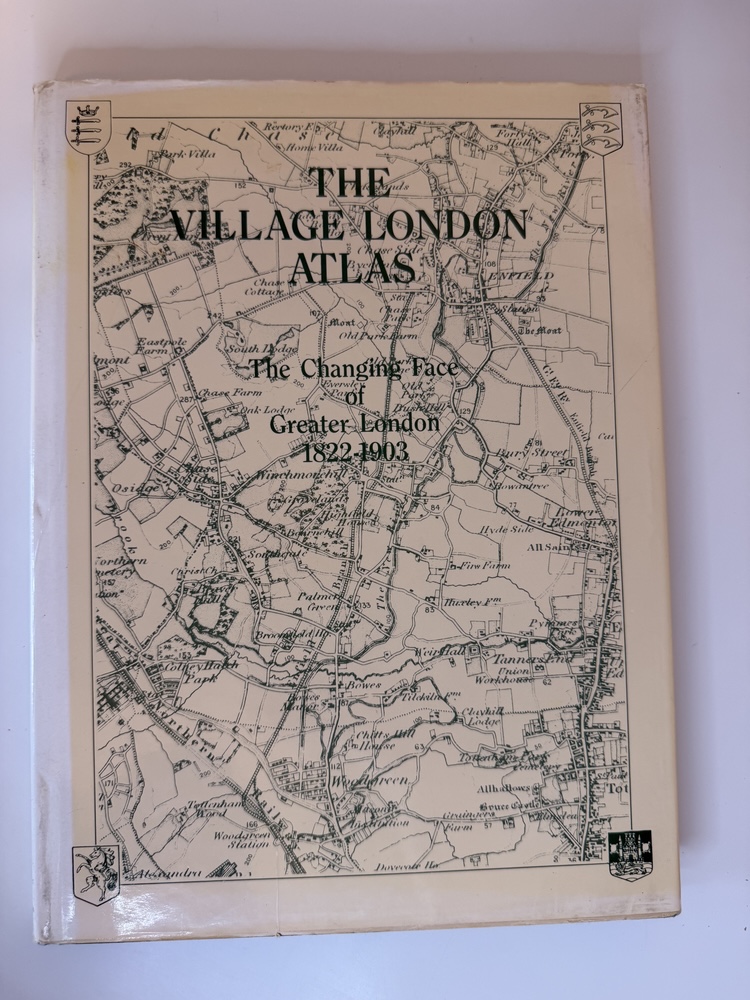
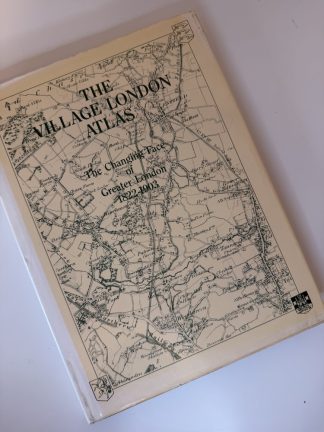
The Village London Atlas - B R Bruff
Hardback - Very Good Condition
£3.50
The direction of London’s growth was dictated by the network of arterial roads, built by the Romans and, much later, by the turnpike companies, which radiated from the City.
In between these ‘High Roads, literally named because they kept to the highest ground, were the old ‘green roads, mostly in the valleys, and subject to dreadful conditions in winter, as were all the roads before the advent of Mr Macadam. Along these roads were hamlets and villages, and small towns like Barnet which grew up around the coaching inns where coaches had their first change of horses out of London; ribbon development’ took place, as it did in this century when the Great West Road and Eastern Avenue were built.
With the coming of the railways the pace of growth accelerated; hamlets became villages, villages became towns and soon it was difficult to know where one ended and the next one began. Greater London was born.
Thankfully, the old names survive, and Londoners take pride in not just being Londoners, but having roots in the old village, whether it be Croydon or Carshalton, Ilford or Hounslow.
Village London’ by Edward Walford and London Recollected’ by Walter Thornbury provide the definitive history of Greater London. They were written while London’s population was in the process of quadrupling itself, and the built-up area of London was expanding daily. This Atlas is a record of those times, enabling the reader to make comparison of the changes that took place during this period of Industrial Revolution.
1 in stock